Home Sports Surfaces Testing About Request a Quote
Before Production

UV Printing Sample
& Proofing Process.

A soft proof checks your layout. It does not check your color. Knowing which one you're looking at before you approve it is what keeps a first order from turning into a reprint.

Request a Proof →
The Short Answer

What Happens Before a UV Print Job Runs?

Every job gets a digital soft proof for layout, and any job where color or substrate is in question should also get a physical draw-down — a small piece printed on the real substrate, not a screen simulation. The soft proof is fast and free-flowing; it catches a missing bleed or a cropped edge. The physical proof takes longer because it's an actual production step, but it's the only thing that shows real color, white underbase opacity, and finish before the full run commits ink to material. Treating a PDF as a color approval is where most avoidable reprints start.

Two Kinds of Proof

Soft Proof vs. Physical Draw-Down

A soft proof is a PDF or on-screen layout preview generated straight from the print-ready file. It's the right tool for checking positioning, cropping, spelling, and bleed — the things a layout review can catch without a press running. What it can't do is show true color, because a laptop screen, a phone, and a calibrated monitor in a print shop all render the same file differently, and none of them render it the way UV-curable ink looks once it's cured on your actual substrate and finish.

A physical draw-down is a small piece actually printed and cured on the real substrate the job will use. It shows the color as it will actually appear, whether the white underbase is opaque enough on a dark or tinted material, and how a matte, gloss, or textured finish changes the way the artwork reads compared to the flat file. It takes longer than a soft proof because it's a genuine production run in miniature — substrate prep, sometimes a first-time color profile, printing, and cure — but it's the step that actually de-risks a full batch.

Soft proof — fast, checks layout and bleed, not color
Physical draw-down — slower, checks real color and finish
Always match the proof substrate to the production substrate
White underbase opacity only shows up on a physical sample
Approve substrate and color together, not separately
See File Prep Requirements →
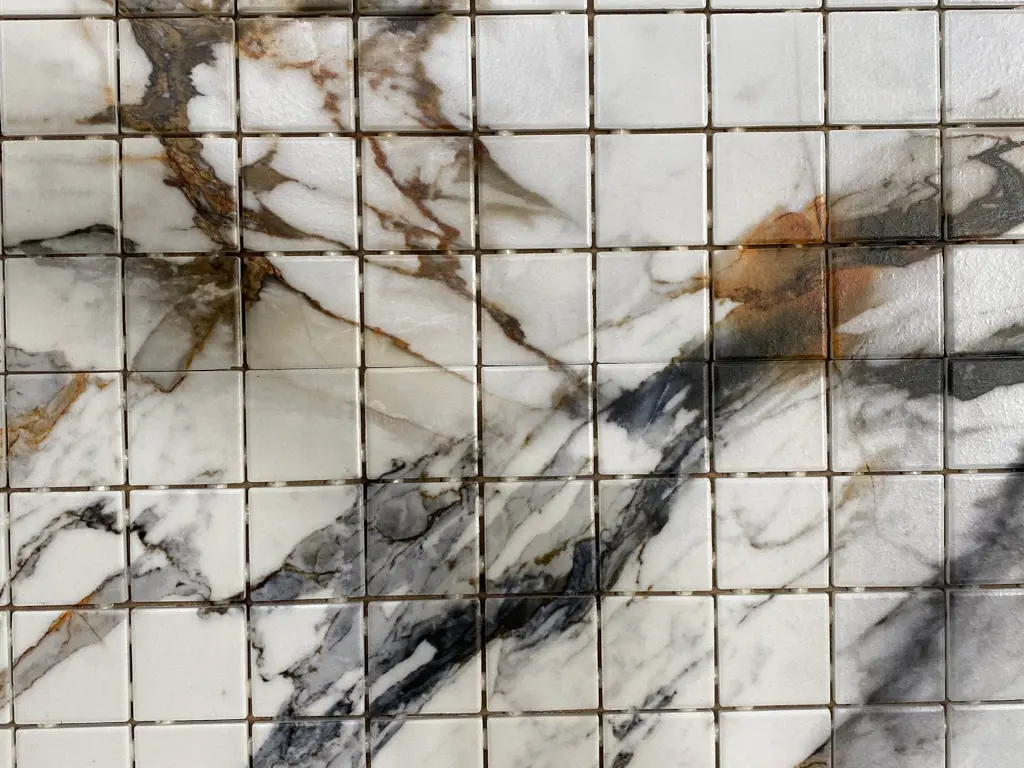
Physical UV printed color proof draw-down on a substrate sample
Walking Through It

How a Proof Actually Moves Through Production

The proofing sequence isn't a single step — it's a handful of checkpoints, and skipping one is usually where a job goes sideways.

1. File Check

Artwork is checked against print-ready requirements — resolution, bleed, embedded fonts, and whether a white-ink layer is defined. A file that fails this step bounces back before a soft proof is even generated, which is the fastest possible delay to avoid.

2. Soft Proof

A layout preview goes back for approval. This is the moment to catch a cropped logo or a design element sitting too close to a trim edge — not color.

3. Physical Draw-Down (When Warranted)

For brand-critical color, a first-time substrate, or a dark or tinted material, a small piece is printed on the actual substrate for physical sign-off. This is where color, white underbase opacity, and finish get verified for real.

4. Production Run

Once layout and — where relevant — physical color are both signed off, the full run goes to press using the same profile the proof was built on. Changing artwork, substrate, or finish after this point means going back to step 2 or 3, not straight to production.

Before You Sign Off

What a Good Proof Approval Actually Looks Like

The habits that separate a first-time-right run from a reprint.

🖥️

Layout

Check on the Soft Proof

Bleed, cropping, spelling, and anything sitting near a trim edge.

🎨

Color

Check on a Physical Sample

Never approve a brand color from a screen — ask for a draw-down on the real substrate.

Opacity

Confirm the White Underbase

Only a physical proof on a dark or tinted material shows whether white ink is reading solid.

⏱️

Timing

Approve Same-Day

A proof sitting unanswered is one of the most common causes of a missed deadline.

See How Proofing Affects Turnaround →
FAQ

Sample & Proofing — Common Questions

Do you provide a proof before printing my full order?

Yes, and it's worth insisting on one even if a vendor doesn't offer it upfront. A digital soft proof confirms layout, cropping, and bleed. It does not confirm color or finish, because every screen renders differently from every printer. For anything where color or substrate texture matters, ask for a physical draw-down printed on the real substrate before the full run goes to press.

What's the difference between a soft proof and a physical sample?

A soft proof is a PDF or on-screen preview showing layout and positioning. A physical draw-down is a small printed piece run on the actual substrate, showing real color, white underbase opacity, and finish. Approving color from a screen is the single most common cause of a reprint on a first order.

How long does the proofing process add to my timeline?

A digital soft proof usually turns around fast once the file is print-ready. A physical draw-down takes longer because it's a real production step. Build proofing time into your deadline rather than treating it as a formality that happens after the schedule is already set.

What should I actually check on a proof before approving it?

On a soft proof: bleed, crop, spelling, and trim-edge clearance. On a physical draw-down: color against your reference, whether the white underbase reads opaque, and how the finish changes the color compared to the digital file. Sign off on substrate and finish at the same time as color.

Can I get a printed sample on my actual material before committing to a full order?

Yes, and for a first order on an unfamiliar substrate or a brand-critical color, it's the right call rather than an optional extra. Send the real substrate along with your artwork and Pantone references. Request a quote here.

Explore More Surfaces

Related Applications

Want to See a Sample Before You Commit?

Send us your artwork, substrate, and any Pantone references. We'll tell you whether a soft proof is enough or whether a physical draw-down is worth the extra step.