Home Sports Surfaces Testing About Request a Quote
Buying Guide

UV Printing for
Agriculture & Farm Operations.

Equipment ID panels, grain and dairy facility signage, and farm-stand branding built to hold finish through sun, fertilizer, wash-downs, and daily handling — and what to confirm before a panel goes outdoors.

Request a Quote →
The Short Answer

Does UV Printing Survive on a Working Farm?

Yes, for equipment identification, facility signage, and farm-stand branding — provided the substrate and coating are matched to what the location actually faces. A grain elevator wall and a farm-stand sign under a roof see different levels of sun and chemical exposure, and the spec should reflect that difference instead of treating every panel the same. Where it's not the right tool is regulated in-field livestock ID or safety placarding that has its own required format.

Where It Applies

Equipment, Facilities, and the Retail Side of the Operation

Equipment identification is the most straightforward order — asset tags and ID panels for tractors, implements, irrigation controllers, and outbuildings that need to survive years of handling, mud, and wash-down water without going illegible. That's the same durable identification approach covered in our nameplates and asset tags guide, sized and mounted for field equipment rather than an office or lobby. A cooperative or large operation running a mixed fleet across several sites gets the added benefit of file-on-record color matching — one spec, produced in batches, instead of re-quoting the same panel every time a new machine gets added.

Grain elevators, dairy parlors, and processing facilities have a wayfinding and safety-signage need that scales with the size of the operation — bay numbering, biosecurity notices, visitor routing, and interior branding for the business office attached to the operation. That's the same facility-signage logic used in any industrial setting, covered in more depth in our warehouse and industrial floor graphics guide for the parts of a facility that see equipment and foot traffic together. On the retail and agritourism side — farm stands, pick-your-own operations, seasonal markets — wood panel signage is a common request, and our UV printing on wood guide covers what separates a panel that holds up under a stand roof from one that needs full outdoor-rated prep.

Equipment and implement ID panels, asset tags
Grain, dairy, and processing facility wayfinding
Biosecurity and visitor-routing signage
Farm-stand, agritourism, and seasonal market branding
Fleet-wide color and branding consistency
Talk Through Your Project →
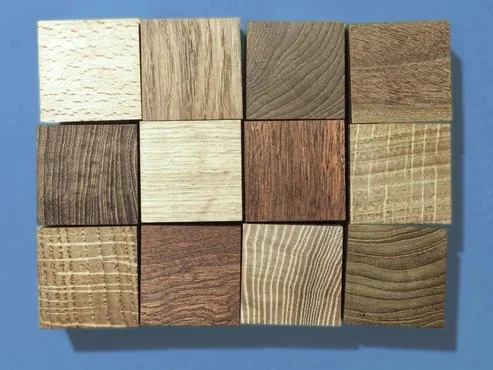
UV printed wood panel finish suited to farm and agricultural signage
Fit Check

Where This Fits a Farm Project — and Where It Doesn't

A Strong Fit

  • Equipment ID and asset tags that need to survive mud, wash-down, and daily handling
  • Facility wayfinding and safety signage produced in one batch instead of piecemeal orders
  • Farm-stand and agritourism branding that needs to look sharp for the season

Worth a Second Look

  • Panels mounted in direct fertilizer or chemical spray zones — confirm the coating spec before ordering
  • Fully exposed outdoor wood signage with no roof or overhang — the prep and topcoat requirements are heavier than a covered stand

Not a Good Fit

  • Tamper-resistant or RFID-integrated livestock identification — that needs a purpose-built tag system, not a printed panel
  • Regulated safety placarding with a legally mandated format or material spec

What to Confirm Before It Goes to Print

  • Chemical and fertilizer exposure at the mounting location
  • Whether the panel is fully exposed or under a roof or overhang
  • Whether other locations in the operation need matching color and branding
Durability in the Field

What Actually Determines Outdoor Lifespan on a Farm

Farm and agricultural surfaces face a specific combination of stressors that most commercial signage never sees — direct sun for most of the daylight hours, temperature swings between a hot afternoon and a cold night, contact with fertilizer, pesticides, and cleaning agents, and handling that isn't always gentle. UV-cured inks hold color and resist fading well against sustained sun exposure, but the ink is only half the equation. The substrate underneath and the topcoat over it have to be rated for the same chemical and moisture exposure, or the panel fails at the material level even when the print itself is still intact.

That's why the exposure profile per location matters more than a single blanket spec for the whole operation. A panel mounted on a grain bin wall in full sun with occasional fertilizer dust needs a different coating than an equipment ID tag that lives inside a machine shed most of the year, and both are different again from a farm-stand sign that's outdoors seasonally but protected under a roof. Sending us the mounting location and what it's exposed to — sun, chemicals, wash-down frequency, rough handling — lets the spec get set correctly the first time instead of a panel needing replacement after one season.

See our durability and care guide for the general factors that determine lifespan across any Polyprint application, then send us your specific locations and we'll narrow the spec from there.

Common Mistakes

Where Farm Signage Orders Go Wrong Before They Even Ship

The most common mistake is treating every panel on the property as if it faces the same conditions. A grain bin wall in full sun, a machine shed ID tag that spends most of the year indoors, and a farm-stand sign under a roof are three different exposure profiles, and specifying one coating for all three usually means the toughest-exposure panel is under-built while the sheltered one is over-specified and priced higher than it needed to be. Walking the property and noting sun, chemical, and moisture exposure per location before ordering fixes this in one pass.

A second issue shows up with fully exposed outdoor wood signage ordered without the extra prep that exposure requires. Wood signage under a stand roof or porch overhang can often use a lighter spec than a sign mounted with no cover at all, and skipping that distinction leads to premature checking or delamination on the fully exposed piece within a season or two, even though the covered sign from the same order holds up fine.

Fleet decals ordered piecemeal cause the same color-drift problem seen in any multi-unit branding project — a tractor decal ordered this spring and another for a new implement next fall, each approved separately, rarely match exactly by the third or fourth order. Locking a color-matched file at the start of a fleet ID program, even one that will roll out over several seasons, keeps every batch consistent instead of drifting unit by unit.

Last, chemical exposure near sprayer fill stations, fertilizer storage, or wash-down bays sometimes goes unmentioned in the initial project brief because it doesn't seem relevant to a branding request. It's directly relevant — fertilizer and pesticide contact is one of the more aggressive exposure categories a panel can face, and flagging it up front changes the coating spec rather than becoming a warranty conversation after the panel starts to fade.

Tested Standard

Same Coating Standard as Every Polyprint Surface

Equipment and facility panels are finished under the same lab-tested performance benchmark used across every application.

✏️

Scratch Hardness

6H Pencil

EN 15184 pencil hardness test — relevant to equipment handling and machine shed storage.

☀️

UV Weathering

No Change at 3000h

EN ISO 16474-3 Atlas UV Test — relevant to full-sun field and facility exposure.

💥

Impact Resistance

>60N / >2.0m

EN 438-2 ball impact tests — relevant to equipment and handling contact.

🌾

High-Traffic Standard

Daily Contact Rated

Coating spec set to match wash-down and handling frequency per zone, not one blanket spec.

View Full Testing Data →
FAQ

UV Printing for Agriculture & Farm Operations — Common Questions

Does UV printing hold up outdoors on a working farm?

Yes, when substrate and coating are matched to actual exposure — sun, fertilizer and pesticide contact, wash-down water, and handling. UV-cured inks resist fading well, but the panel material has to be rated for the same conditions or it fails early regardless of the print. See our durability and care guide for what determines lifespan.

What can UV printing cover on a farm or agribusiness operation?

Equipment ID and asset tags, facility wayfinding for grain and dairy operations, biosecurity signage, and farm-stand or agritourism branding. See our warehouse and industrial facility signage guide for how bay numbering and routing gets specified.

Can equipment decals be printed to match a fleet across multiple machines?

Yes — file-on-record color matching keeps equipment ID and branding consistent across a fleet, produced in one run. See our nameplates and asset tags guide for how that gets specified.

Is UV printing a good fit for in-field crop or livestock tags?

Not usually as a standalone solution — tamper-resistant or RFID-integrated livestock ID typically needs a purpose-built tag system. UV printing fits the facility, equipment, and retail side of the operation better.

Does wood signage for a farm stand or agritourism business hold up outdoors?

With the right prep and topcoat, yes for most covered or seasonal applications. See our UV printing on wood guide, or request a quote with your specific location and exposure.

Explore More Surfaces

Related Applications

Have a Farm or Facility Project to Print?

Send us your equipment list or facility layout and what each panel is exposed to. We'll come back with what's feasible per location and pricing.

Website by Rank Easy Digital — websites, SEO & AI search visibility for your business. Get a free consult →