Station backsplashes, mirror surrounds, and storefront signage built to survive bleach, color developer, and daily wipe-downs without the finish dulling or the edges lifting like a vinyl decal.
Request a Quote →Yes, on the right substrate — but the chemistry at the wash station, not the design itself, is what decides the spec. Color services run on peroxide developers with occasional bleach, and a barbershop's clipper stations see constant alcohol-based disinfectant between clients. Painted drywall and laminate backsplashes dull and eventually delaminate under that exposure. A UV-printed panel on a non-porous substrate with a chemical-rated topcoat is built to take that load from day one rather than needing a repaint or a decal patch a year or two in.
Station backsplashes behind each chair take the most direct chemical and water exposure in the shop and are where substrate choice matters most. Mirror surrounds, reception desk fronts, and retail-wall branding see far less contact but are just as visible to every client who walks in — this is where a shop's visual identity gets built. Storefront window and door graphics round out most orders, giving a shop street presence without relying on off-the-shelf vinyl lettering.
2026 salon and barbershop design is trending toward bespoke, made-to-order signage over off-the-shelf pieces — metallic accents, matte textures, and clean compositions that read as a considered brand rather than a generic supply-store sign. Printing directly onto the panel material puts that finish into the surface itself instead of relying on a laminate topcoat or a printed decal that has to survive on its own.
Talk Through Your Project →
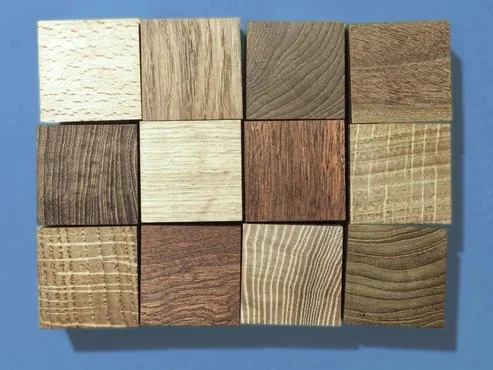
A color station and a barbershop clipper station don't face the same chemistry, even though both count as "salon branding" on a proposal. Color and highlight services run on peroxide-based developers with occasional bleach, splashed and wiped down dozens of times a day. Barbershops lean on alcohol-based disinfectant between every client instead, which is a different — usually gentler — load on a coating. Painted drywall or a laminate backsplash loses its finish under either rotation over time; a non-porous, UV-printed panel with the right topcoat is built to take it from installation rather than degrading into it.
Vinyl decals are the other common comparison, and they fail differently than a worn coating: repeated chemical splash and heat from styling tools lift the edges first, and once an edge lifts, product and moisture get underneath it. UV printing puts the graphic into the panel surface itself, so there's no separate layer to lift. That said, vinyl still makes sense for lower-contact areas like a retail wall or a waiting-room accent, where the economics favor it and chemical exposure isn't a factor.
Send us your floor plan, which chemicals are in rotation at each station, and your opening date if it's a new build-out, and we'll come back with what's feasible per station and the right substrate for each.
Salon and barbershop panels are finished under the same lab-tested performance benchmark used across every application.
EN 15184 pencil hardness test — relevant to clipper and tool contact at styling stations.
Clearcoat spec determines resistance to peroxide developer, bleach, or disinfectant — confirm your product mix before quoting.
Printed directly onto panel material — no laminate edge or decal seam to lift.
2026 salon and barbershop branding is trending toward made-to-order signage over generic supply-store pieces.
Station backsplashes, mirror surrounds, reception desk fronts, and storefront window or door graphics see the most orders. Wash-station backsplashes get the heaviest chemical exposure, which is where substrate choice matters most.
On the right substrate and topcoat, yes. A UV-printed panel on a non-porous substrate with a chemical-rated clearcoat is built for that exposure from installation, not retrofitted after a painted or laminate finish starts to dull.
For anything near a wash station or styling chair, yes — vinyl edges lift under chemical splash and tool heat. For low-contact areas like a retail wall, vinyl can still be the more economical choice. See our UV printing vs vinyl wrap guide.
Yes — the same color-matching and file-on-record process used for any repeat client keeps station panels, mirror surrounds, and storefront graphics identical from the first chair to the fifth location.
It depends on panel count and substrate — tell us your opening date and we'll flag whether the full station count fits or whether a phased rollout makes more sense. See our turnaround times guide. Request a quote here.
Send us your floor plan, station count, and opening date if it's a new build-out. We'll come back with what's feasible and pricing.