Home Sports Surfaces Testing About Request a Quote
Surface Application

UV Printing on
Composite Decking.

Custom branding and graphics on composite deck railings, skirting, pergola panels, and pool-deck accents — built into the material the deck is already made from, on the parts of the deck that aren't taking direct foot traffic.

Request a Quote →
The Short Answer

Can Composite Decking Be UV Printed?

Yes, but the honest answer splits the deck into two zones. The walking surface itself — the boards you actually step on — gets its wood-grain color and pattern baked in at the factory during extrusion, and that factory finish is what manufacturers warranty against fade and wear for decades. UV printing fits everywhere around that walking surface instead: railings, skirting, pergola and privacy panels, stair risers, and accent zones like a pool-deck border or entry medallion, all of which take design and branding well without carrying the same abrasive foot-traffic load as the boards underfoot.

Why the Split

Walking Surface vs. Everything Around It

Capped composite decking — the category Trex and TimberTech both sell — gets its color and wood-grain texture embedded through an outer polymer cap layer applied during the board's manufacture, not printed on afterward. TimberTech's Advanced PVC line has shown virtually no perceptible color change after more than 2,150 hours of accelerated UV testing, and Trex backs several of its product lines with fade and stain warranties running 25 to 50 years depending on the line. Boards also go through a normal color-stabilization period in the first three to four months as that cap layer settles in — a known, expected shift, not a defect. That level of engineered, warrantied performance on a surface that takes constant foot traffic, standing water, and UV exposure is exactly why a separately applied print doesn't try to compete with it on the boards themselves.

What changes the calculus is everything on a deck that isn't the walking surface. Railing infill panels, skirting that closes off the space under a raised deck, pergola and shade-structure panels, and stair riser faces are all typically flat or near-flat composite or PVC components that see weather but not foot traffic. Those are strong candidates for a UV-printed pattern, logo, or full custom graphic — the same UV-stable, scratch-resistant coating standard used across every Polyprint surface application, just applied to a component that doesn't have to survive being walked on.

Pool decks and resort patios are where this distinction matters most in practice. A property wants a branded medallion or a decorative border worked into the deck, but the primary walking path around a pool sees constant wet foot traffic — the single toughest environment for any applied finish. The better move there is usually to set the printed element into a harder, purpose-built substrate like tile, stone, or an aluminum composite panel and reserve the composite decking itself, printed or not, for the field of the deck. See our UV printing on stone and granite guide and UV printing on concrete guide for how those substrates handle sustained wet foot traffic.

Composite lumber itself — the uncapped or lightly capped boards used for railings, skirting, and trim rather than the premium walking-surface product lines — takes a UV-printed graphic in largely the same way any rigid polymer composite does: surface prep, ink adhesion, and a UV-stable topcoat matched to outdoor exposure. The process is closer to what we cover for other engineered building materials than to printing on raw wood, since composite lumber's polymer content behaves more predictably across batches than natural wood grain and moisture content do.

Multifamily and hospitality properties are the most common source of these projects. A rooftop amenity deck or a hotel pool deck wants railing panels or a skirting run that reads as a designed feature rather than stock lumber, and a UV-printed pattern or brand mark on those components does that without touching the walking surface warranty at all. The same logic applies to a golf clubhouse patio or a marina dock house — printed accent panels around a heavily trafficked outdoor space, not on the path itself.

Railing infill and skirting panels take custom graphics well
Pergola, shade-structure, and stair riser panels are strong candidates
Walking-surface boards keep their factory-warrantied finish
Pool-deck medallions usually fit a harder substrate better than decking
Same UV-stable, scratch-resistant coating standard as every Polyprint surface
See Performance Data →
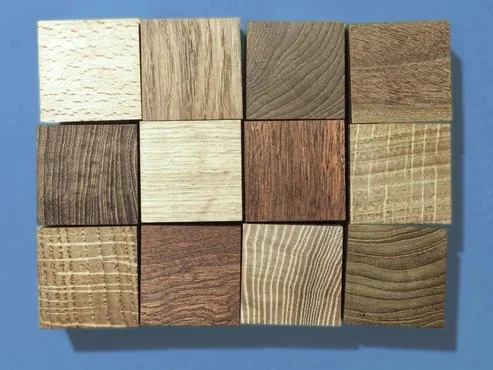
UV printed composite panel finish suited to deck railings and skirting
Fit Check

Where UV Printing on Composite Decking Fits — and Where It Doesn't

The split between walking surface and everything around it decides the spec more than any other factor on a deck project.

A Strong Fit

  • Railing infill panels and skirting on new or renovated deck builds
  • Pergola, shade-structure, and privacy-screen panels
  • Stair riser faces and planter or bench panels built from composite lumber
  • Multifamily rooftop decks and hotel pool-deck accent zones

Where It Comes Up

  • Property amenity decks matching a broader brand package
  • Golf clubhouse patios and marina dock houses
  • Restaurant and hospitality outdoor seating features

Not a Good Fit

  • The primary walking-surface boards themselves — the factory cap finish is engineered and warrantied for that job
  • Pool-deck walking paths with sustained wet foot traffic — a harder substrate holds up better there

What to Confirm Before It Goes to Print

  • Which components are printed (railings, skirting, panels) versus the deck boards themselves
  • Foot-traffic exposure for any accent piece near a walkway
  • Whether other properties in a portfolio need matching panels
What to Expect

UV-Printed Composite Deck Accents — Practical Performance

Realistic expectations for a printed composite railing, skirting, or accent panel in outdoor use.

☀️

UV Stability

Coating-Dependent

Same UV-stable, scratch-resistant coating standard used across every Polyprint surface application.

🪵

Placement

Vertical & Low-Traffic

Railings, skirting, pergola panels, and stair risers — not the primary walking-surface boards.

🏊

Wet Zones

Harder Substrate Preferred

Pool-deck medallions and borders typically hold up better on tile, stone, or composite panel than on decking.

⏱️

Setup

No Screen Required

Direct UV printing with no plate or screen minimum, suited to short runs and one-off deck features.

View Full Testing Data →
Where It Performs

Who Orders UV-Printed Composite Deck Components?

Multifamily, hospitality, and outdoor-living projects make up most of the volume.

Multifamily & Hospitality

  • Rooftop amenity decks with branded railing and skirting panels
  • Hotel and resort pool-deck accent zones and cabana surrounds
  • Consistent panel branding across multiple properties in a portfolio

Recreation & Leisure

  • Golf clubhouse patios and outdoor seating features
  • Marina dock houses and waterfront property signage panels

Outdoor Living & Design

  • Custom pergola and privacy-screen patterns
  • Stair riser graphics and planter or bench panel branding

Why Buyers Choose It

  • Branding built into a component the deck already needs, rather than added as a separate sign
  • Full color and photographic detail a stock composite finish can't match
  • No screen or plate cost for a short run of railing or skirting panels

Planning a deck build-out with a branding or design element built in? Tell us which components — railings, skirting, pergola panels, or a pool-deck accent — and we'll confirm what's feasible on composite versus a harder substrate for anything in a walking path. Request a quote here.

FAQ

UV Printing on Composite Decking — Common Questions

Can you UV print directly onto composite decking boards?

Not usually on the primary walking surface. Capped boards get their color and grain baked in during manufacturing, engineered and warrantied for constant foot traffic. UV printing fits the accessories around that surface instead — railings, skirting, pergola panels, and stair risers.

What composite deck elements are best suited to custom UV printing?

Vertical and low-traffic surfaces: railing infill panels, skirting, pergola and privacy-screen panels, stair riser faces, and planter or bench panels — all take a printed graphic well without carrying foot-traffic wear.

How does UV-printed ink durability compare to a composite deck board's factory finish?

They solve different problems. A capped board's finish is embedded during manufacturing and warrantied for decades of foot traffic. A UV-printed graphic on a vertical panel is durable under normal weathering but isn't rated for the same abrasive load the deck boards are built to take.

Can UV printing add a custom logo or medallion to a pool deck or resort patio?

Yes, as an inlay or border in a low-traffic accent zone rather than across the full walking path. For a medallion set directly into a wet walking surface, see our UV printing on stone and granite guide for a harder alternative.

Should I choose composite or another material for a printed deck feature?

Composite makes sense when the piece is already composite lumber, like railings or skirting. For a standalone printed feature with no structural decking role, a rigid substrate is usually the more direct fit. Request a quote here.

Explore More Surfaces

Related Applications

Have a Deck Project With a Branding Element?

Send us which components you're printing and the location's exposure. We'll come back with what's feasible and pricing.

Website by Rank Easy Digital — websites, SEO & AI search visibility for your business. Get a free consult →