Tasting room accent walls, tank labeling, and barrel-adjacent signage — with a substrate plan built around the fact that barrel rooms are humidified for the oak, not the walls.
Request a Quote →Tasting rooms, reception, event spaces, and production-floor wayfinding are a strong fit. Anything mounted inside or directly against an actively humidified barrel or cellar room needs the substrate chosen for that environment first, print second — because many barrel rooms run humidified well above 60% RH on purpose to protect the oak and slow evaporation, and not every panel material tolerates that long-term regardless of coating.
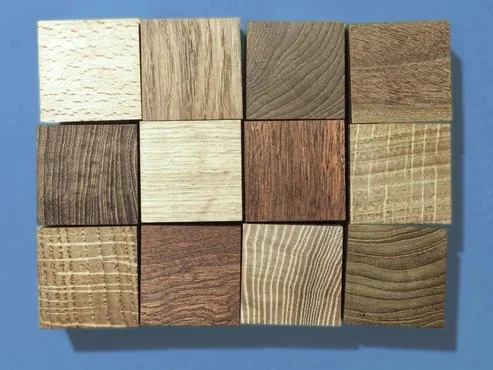
Bar-front panels, reception accent walls, and wood-look or true-wood branding are the most requested tasting room items, using the same process covered in our UV printing on wood guide — wood already fits the aesthetic most wineries and distilleries lean into, so printing directly on it rather than applying a vinyl overlay keeps the material honest. Event space signage and seasonal graphics for harvest events or tasting flights round out the guest-facing side.
On the production side, tank labeling and batch tracking signage on stainless steel, and safety or process wayfinding for staff areas, are functional orders — built for a wetter, harder-working environment than the tasting room, closer to what a brewery production floor needs. See our breweries and craft beverage branding guide for how that side compares.
Talk Through Your Project →
Barrel and cellar rooms aren't accidentally humid — many are actively humidified above 60% RH, and some wineries push it higher for reds, specifically to keep the oak from drying, cracking, and letting wine evaporate too fast. That's the opposite of what most interior branding materials are designed to sit in long-term. It's not that UV printing fails there; it's that the panel and adhesive choice has to account for a room that's wet on purpose, not by accident, which is a different design brief than a tasting room or lobby.
The practical split: tasting rooms, reception, and event spaces get the full range of substrates, including wood-look panel and true wood accent walls. Tank labels and process signage inside or adjacent to active barrel storage get a substrate chosen for that humidity level first — usually stainless-adjacent or sealed panel rather than wood — with the branding built to match rather than compromising on material to hit a look.
Tell us which rooms are actively humidified and to what level, and we'll match substrate to environment before we talk finish.
Tasting room and production signage is finished under the same lab-tested performance benchmark used across every application.
EN 15184 pencil hardness test — relevant to tasting room bar-front and reception traffic.
Ambient tasting-room humidity is fine for most panels; actively humidified barrel rooms need substrate matched to that environment.
Stainless tank branding done on removable panels, not printed straight onto tanks that get re-plumbed or resurfaced.
Clearcoat spec determines resistance to sanitizing solutions used around production equipment.
Not for the tasting room or reception, but active barrel rooms are often humidified above 60% RH on purpose, and wood substrates or certain adhesives don't belong there regardless of what's printed on them — the panel choice matters more than the print.
Yes, using the same process covered in our UV printing on metal guide. It's typically done on removable panels rather than printing straight onto a tank that gets moved or resurfaced.
Tasting rooms order wood-look or true wood accent walls and bar-front branding. Production floors order tank labels, batch tracking, and safety wayfinding, specified for a wetter, harder-working environment.
Often yes, away from active humidity control. See our UV printing on wood guide for which substrates hold a UV print well.
Yes — the same color-matching process used for any multi-space client keeps branding consistent across a property. Request a quote here.
Tell us which rooms are actively humidified and what the space is used for. We'll come back with substrate options and pricing.