Full-color, photo-quality graphics built into a commercial vinyl floor — entry logos, wayfinding, and branded zones that hold up to foot traffic when the surface, wear layer, and finish are matched to how the space gets walked.
Request a Quote →Yes, with a caveat that doesn't apply to a wall panel or a sign: foot traffic is the harshest environment a UV print encounters. Shoe grit, rolling carts, and commercial cleaning equipment wear a floor surface in ways a vertical panel never experiences. For low-to-moderate traffic zones and short-run feature floors, a direct UV print with a clear protective coat holds up well. For entryways, corridors, and other high-traffic commercial areas, the graphic is usually safer laminated under a separate wear layer — the same logic the flooring industry already uses for reverse-printed vinyl — rather than left as the exposed top surface.
The first is direct printing: a UV flatbed prints straight onto a rigid or semi-rigid vinyl tile or plank, curing the ink instantly under UV lamps so it bonds as a solid polymer layer on the exposed surface. It's fast, works for one-off panels and short runs, and needs no tooling. The second is what commercial flooring manufacturers already call reverse-printed vinyl (RPV) — the graphic is printed on the underside of a clear top layer during manufacturing, so foot traffic and cleaning chemicals contact the protective layer, not the ink. RPV is the standard approach for large branded-flooring programs because the wear layer is baked into the product rather than added after the fact.
Which one makes sense depends on where the floor lives and how it gets used. A logo medallion at a building entrance that sees thousands of footsteps a day belongs on a reverse-printed or heavily topcoated build. A one-time event floor, a trade show booth base, or a low-traffic accent zone behind a reception desk can run a faster direct-print turnaround without the extra manufacturing step. Our UV printing for trade show displays guide covers the event-flooring side of that in more detail, including how it's packed and reused between shows. Warehouse and industrial floor marking follows a related but distinct logic built around durability under equipment traffic rather than brand presentation — see our warehouse and industrial floor graphics guide for where that line sits. Sports court surfaces are a related but separate flooring category with their own coating and traction requirements — see our custom printed sports surfaces page for that application.
Ask About Your Floor Plan →
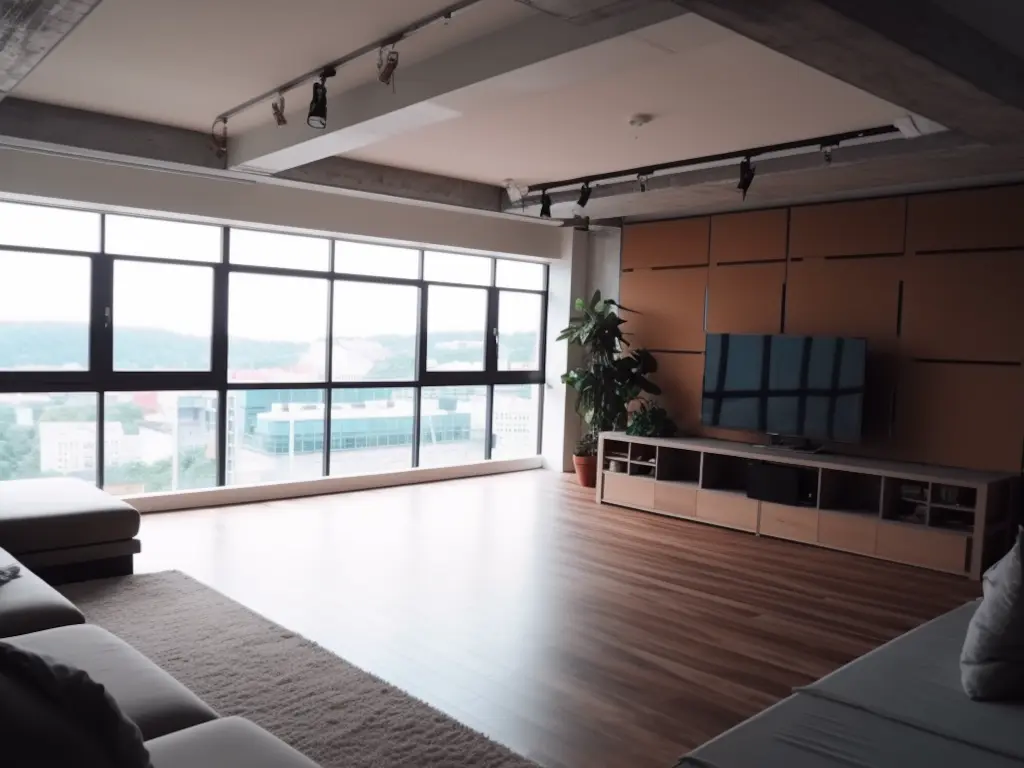
The wear mechanism on a floor is different from every other surface Polyprint prints on — worth understanding before specifying one.
Traction is a texture property, and it needs to be confirmed for the specific finish, not assumed from the material name.
Slip resistance on commercial vinyl comes from surface texture — an embossed pattern or matte finish that breaks up smooth contact — not from the printed ink layer itself. A high-gloss printed floor looks striking in a rendering and behaves like any other smooth, glossy surface underfoot, wet or dry. Matching finish to foot traffic and moisture exposure matters more here than on almost any other Polyprint application.
Formal slip resistance certification testing is currently in progress across Polyprint's product line. Ask for current status on the specific substrate and finish under consideration before finalizing a spec for a floor that gets wet, sees athletic footwear, or sits in a code-regulated commercial space. This is the same honest caveat we give on court surfacing — a printed floor is not a substitute for a documented traction rating where one is required.
UV-printed vinyl flooring meets the same independently tested performance benchmarks that define all Polyprint applications.
EN ISO 16474-3 Atlas UV Test — zero surface change after 3000 hours of exposure.
EN 15184 pencil hardness test — rated 6H, the highest standard for coating hardness.
EN 438-2 ball impact testing — maximum machine rating with no visible damage.
DIN EN 14354 Taber Abraser — achieved classification 31 in tested conditions.
The strongest fit is branding and wayfinding built into a walkable surface, not full-building consumer flooring production.
Yes, but foot traffic is a harsher environment than almost any other UV-printed surface — grit gets ground into the print by shoe soles, and commercial cleaning equipment adds abrasive wear a wall panel or sign never sees. Direct UV print performs well on low-to-moderate traffic areas and short-run feature floors; high-traffic commercial zones are usually better protected under a separate clear wear layer.
Reverse-printed vinyl (RPV) is manufactured by printing the graphic on the underside of a clear top layer, so foot traffic and cleaning contact the clear wear layer, not the ink itself — the standard approach for commercial branded flooring runs. Direct UV printing puts ink on the exposed top surface, simpler and faster for short runs and low-traffic installs but without that built-in protection.
Slip resistance comes from surface texture — an embossed or matte finish — not the ink layer, and formal slip resistance certification testing is currently in progress across Polyprint's product line. Ask for current status on the specific finish before specifying a printed floor for a wet or athletic-use area.
For anything walked on regularly, yes. A UV-cured clear coat or laminated wear layer over the printed graphic is what makes the difference between a floor that holds color for years and one that scuffs through within months. Decorative or low-traffic installs can run with a lighter finish.
Entry logos, lobby medallions, wayfinding paths, retail brand zones, and event or trade show flooring are the strongest fits. Full-building rollouts of standard-pattern consumer LVT are served by flooring manufacturers running printed patterns at a production scale this process doesn't compete with. Request a quote here.
Send us the space, traffic level, and design. We'll come back with the right build — direct print or protected wear layer — and pricing.