Donor recognition walls, welcome-area branding, sanctuary graphics, and wayfinding — printed directly on metal, glass, or acrylic, with a straight answer on where it does and doesn't substitute for acoustic treatment.
Request a Quote →UV printing on metal, glass, or acrylic makes an excellent donor wall, welcome-area graphic, or sanctuary mural — but it's a decorative, durable finish, not sound absorption. Sanctuaries with high ceilings and hard, open surfaces often have real reverberation problems that need a fabric-wrapped acoustic panel core, not a printed rigid panel. Get that distinction right before the design gets locked, and both the look and the sound work.
Donor and building-fund recognition walls are the most requested project — full-color UV printing directly on metal, glass, or acrylic, an alternative to engraved bronze or etched glass covered in our UV printing on glass guide. Welcome-area and lobby branding, wayfinding to sanctuaries, classrooms, and fellowship halls, and scripture or mission-statement wall graphics round out most orders.
Large-format sanctuary murals and feature walls come up especially in newer or recently renovated buildings, using the same tiling process covered in our large-format tiling and murals guide for graphics that span beyond a single panel's size.
Talk Through Your Project →
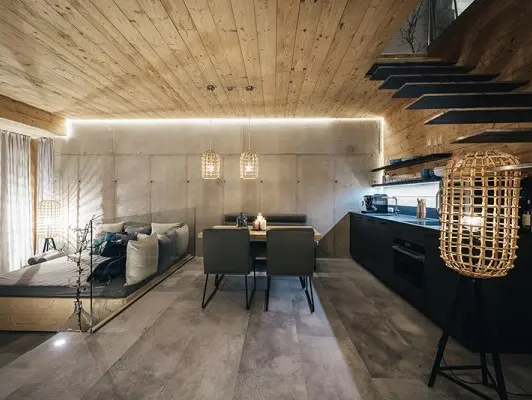
Sanctuaries and fellowship halls tend to have high ceilings, open layouts, and hard, exposed surfaces — architecturally striking, but a setup that creates long reverberation times, especially once modern sound and video equipment is added. A fabric-wrapped acoustic panel is what actually addresses that, with custom shapes, colors, and printed graphics available on the fabric face itself. A UV-printed rigid panel doesn't do that job, and shouldn't be sold as if it does.
Where the two meet: a donor wall or welcome-area graphic on metal, glass, or acrylic sits fine next to or apart from acoustic treatment, since it's not covering the surfaces doing the sound work. If a specific wall needs to carry both the graphic and the acoustic function, the practical answer is printing on the acoustic panel's fabric face rather than mounting a separate rigid panel over it.
Send us your floor plan and whether acoustics are already being addressed separately, and we'll come back with what fits where.
Donor walls and sanctuary graphics are finished under the same lab-tested performance benchmark used across every application.
EN 15184 pencil hardness test — relevant to lobby and welcome-area traffic.
Full-color print directly onto rigid, non-fading recognition-wall substrates.
Print is decorative, not acoustic. Sound absorption needs a fabric-wrapped panel core.
Donor names and graphics hold color under sanctuary lighting for years.
Yes — full-color UV printing on metal, glass, or acrylic is a common donor wall approach, an alternative to engraved bronze or etched glass. See our UV printing on glass guide.
No. A UV-printed rigid panel is decorative, not acoustic. Reverberation in a sanctuary needs a fabric-wrapped acoustic panel core, and if both are needed on one wall, print onto the acoustic panel's fabric face instead.
Donor recognition walls, welcome-area branding, and wayfinding to sanctuaries and fellowship halls are the most common, along with large-format sanctuary murals in newer buildings. See our large-format tiling and murals guide.
Yes — a modular system with individual printed plates added over time handles ongoing giving better than one fixed panel that has to be reprinted each time.
Yes — the same color-matching process used for any multi-location client keeps branding consistent from the home campus to a new plant. Request a quote here.
Send us your floor plan and whether acoustics are already being addressed. We'll come back with what fits where and pricing.