Feature walls, counter fronts, and tabletop graphics printed directly on wood, panel, or tile — built to survive steam, spilled oat milk, and a daily wipe-down, not just look good on opening day.
Request a Quote →Both have a place, and the right answer depends on what the surface needs to do. A one-of-a-kind hand-painted mural still wins for a single feature wall with real brushwork character. UV printing earns its place on anything that needs to be reproduced consistently, sealed against steam and spills, or matched exactly across multiple locations — counter fronts, tabletops, and repeatable logo walls.
The espresso bar and counter front take the most daily abuse in a cafe — steam, splashed milk, constant wiping — which is exactly where paint and wall decals give out first. Printing the graphic directly into a sealed panel or printed wood surface means the design is part of the material, not a coating sitting on top of it waiting to peel at the corners.
Tabletop graphics under a clear laminate, printed tile accent walls, and menu board panels round out most orders. A feature wall behind the espresso machine — the spot every customer photographs while they wait — is usually the first thing a new cafe asks about, and often the one place where a hand-painted mural still makes more sense than print.
Talk Through Your Project →
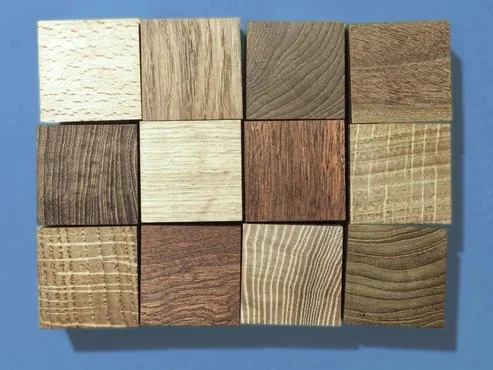
Coffee shop interiors are leaning into real materials that hold up under daily use — wood, aluminum, and steel construction over anything that looks decorative but wears out fast — alongside statement pieces like a mural wall or a sculptural counter that give a shop one memorable, photographable moment rather than decorating every surface equally. That's the environment printed panels are built for: a durable material doing double duty as the design.
Owners who treat interior branding as something that shapes how long a customer stays and whether they come back — not just a style choice — are the ones getting the most out of a printed feature wall or counter front, because it's doing a job beyond decoration: holding up to steam, spills, and years of daily contact without needing repainting.
Send us your floor plan and which surfaces take the most daily contact, and we'll come back with what should be printed versus what's better left to a muralist or a changeable board.
Cafe panels are finished under the same lab-tested performance benchmark used across every application.
EN 15184 pencil hardness test — relevant to counter fronts and tabletop contact.
EN 438-2 ball impact tests — relevant to a busy counter in a high-traffic cafe.
Choose the base material to match the design and the wear zone it's going in.
Color and design specs kept on file for consistent reorders across stores.
Feature wall graphics behind the espresso bar, printed wood or panel counter fronts, tabletop graphics under clear laminate, and menu board panels are the recurring orders.
Yes, with sealed panel edges and a substrate rated for moisture exposure. The UV coating itself is stable; the usual failure point is unsealed edges or the wrong base material, not the print.
A hand-painted mural often wins for a one-of-a-kind feature wall. Printing earns its place for anything that needs to be reproduced consistently or needs photographic detail a muralist can't paint.
Yes — a file-on-record design and color spec means a wall panel or counter graphic looks identical from one store to the next, which a hand-painted mural can't guarantee.
Letter boards win for a menu that changes often. Printed panels win for permanent branding that shouldn't change. Most cafes use both. Tell us your layout and we'll sort out which is which.
Send us your floor plan and where you want the branding. We'll come back with what's feasible and pricing.