Home Sports Surfaces Testing About Request a Quote
Buying Guide

UV Printing for
Interior Design & Architecture.

Full-color graphics printed directly onto the rigid materials a fit-out already specifies — Corian, composite panel, acrylic, wood, metal — so the print and the substrate arrive as one piece instead of two separate line items.

Request a Quote →
The Short Answer

Can a Fit-Out Spec Just Get Printed Instead of Overlaid?

Yes, in most cases — if a project already calls for Corian, aluminum composite panel, acrylic, painted MDF, or a metal panel finish, UV printing applies full-color graphics directly to that same material. There's no separate laminate or printed overlay bonded on afterward, and no second vendor supplying just the graphic layer. The panel is ordered, printed, and installed as one component, which mostly matters for coordination — one lead time, one delivery, one thing that can go wrong instead of two.

Where It Shows Up

The Spaces This Actually Gets Specified For

Reception and lobby feature walls are the most common request, usually a large-format graphic or pattern on Corian or composite panel behind a front desk. Elevator lobbies and corridor wayfinding follow close behind, where metal or acrylic panels take directional graphics or donor/wayfinding signage that needs to survive years of foot traffic without fading. Hospitality projects use it for printed wood or Corian panels in bars and restaurant interiors, and retail-in-office or amenity spaces — gyms, cafés, lounges built into commercial buildings — use it the same way a standalone retail space would.

What ties these together isn't the room type, it's that the designer already picked a rigid material for other reasons — durability, code compliance, look — and printing lets the graphic live on that exact material instead of forcing a compromise substrate just because it prints well.

Reception and lobby feature walls
Elevator lobby and corridor wayfinding graphics
Hospitality bar, restaurant, and lounge interior panels
Amenity spaces built into commercial and office buildings
Donor walls and recognition displays
Talk Through Your Project →
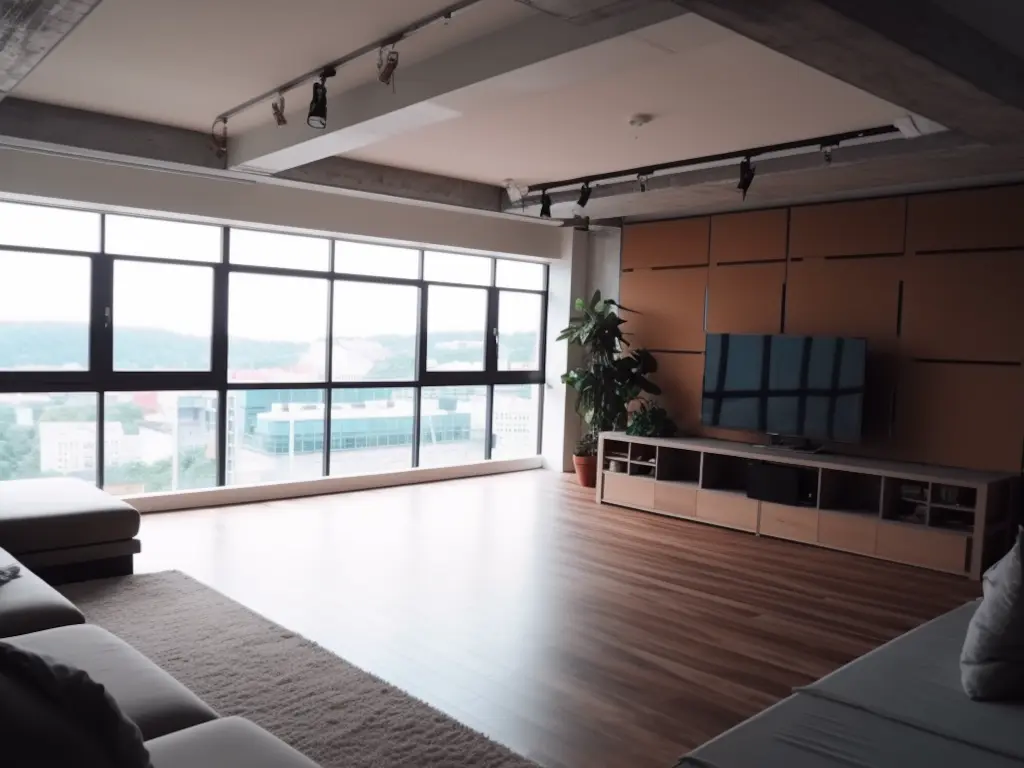
UV printed interior architectural panel finish
Fit Check

Where This Fits a Project — and Where It Doesn't

A Strong Fit

  • Flat or gently contoured panels already specified in Corian, ACM, acrylic, wood, or metal
  • Permanent installations where the print is the finish, not a removable overlay
  • Large-format feature graphics that would otherwise need a printed laminate bonded to a separate substrate

Worth a Second Look

  • Any assembly with a fire rating — confirm with the certifying party before printing, not after
  • Backlit panels, where ink opacity and layer order change the result and need to be planned for up front
  • Spaces expected to be redesigned or rebranded within a lease cycle, where a replaceable wrap may suit better than a printed permanent panel

Not a Good Fit

  • Compound-curved millwork or reception desks finished after forming — the print has to happen on the flat piece before it's shaped
  • Certified assemblies where altering the surface finish could void a rating or spec without sign-off

What to Confirm Before a Project Goes to Print

  • The exact substrate and finish already called out in the spec
  • Whether any part of the assembly is fire-rated or otherwise certified
  • Whether the panel will be backlit
  • Whether any surface is curved after fabrication rather than before
Coordination

How This Usually Fits Into a Project Timeline

The print shop needs to be looped in during material selection, not after the panel schedule is finalized. Ordering the substrate and sending it out for printing separately from fabrication adds a shipping leg and a second lead time that most project schedules don't have slack for — better to have the flat panel printed before it goes to whoever mills, edge-bands, or mounts it, which is the same sequencing already used for flat composite parts printed before molding.

Material choice drives most of the rest. A Corian or solid surface panel takes a print differently than an aluminum composite panel, and both behave differently from a printed acrylic or wood panel — surface energy, gloss level, and how forgiving the material is of scuffing during install all vary. None of that changes whether the project can be printed, just how it's prepped and quoted.

Send the spec sheet or cut sheet for the material already chosen, the panel dimensions, and whether anything is backlit or curved, and we'll come back with what's feasible on that exact substrate.

Tested Standard

Same Coating Standard as Every Polyprint Surface

Interior panels get finished under the same protective coating benchmark used across every Polyprint application.

☀️

UV Weathering

No Change at 3000h

EN ISO 16474-3 Atlas UV Test — zero surface change after 3000 hours of exposure, relevant even indoors near glazing.

✏️

Scratch Hardness

6H Pencil

EN 15184 pencil hardness test — rated 6H, useful for high-traffic corridor and lobby installs.

🏗️

Substrate Match

Prints to Spec Material

Applies directly to the material already called out in the fit-out drawings — no compromise substrate required.

📐

Geometry

Flat & Near-Flat Only

Compound-curved millwork needs to be printed flat before forming, not after.

View Full Testing Data →
FAQ

UV Printing for Interior Design & Architecture — Common Questions

Can UV printing go directly onto materials already specified in an architectural drawing set?

Usually, yes. If a spec already calls for Corian, an aluminum composite panel, acrylic, painted MDF, or a metal panel finish, UV printing applies the graphic to that same material rather than requiring a separate printed overlay or laminate. The panel gets ordered once, printed, and installed as one piece.

Does printing affect a fire-rated wall assembly?

This has to be checked with whoever holds the fire rating, not assumed either way. A thin ink layer is unlikely to meaningfully change a rated interior finish on its own, but that's not a certification — on a rated wall, get confirmation before the panel goes to print.

Can curved millwork or a compound-curved reception desk be UV printed after it's built?

Not if the curve is compound rather than a simple radius. Flatbed printers need the printed face within the head's flat travel path, so the print has to happen on the flat panel or veneer before it's formed, which means looping the print shop into fabrication planning early.

How does UV-printed graphics compare to wallcovering or vinyl wraps for a feature wall?

Wallcovering and vinyl go over an existing substrate and can be replaced without touching the wall. A UV-printed panel is the finish itself — harder and more scratch-resistant, but a redesign means reprinting or replacing the panel rather than re-skinning it.

What should be confirmed before sending a fit-out job to print?

The exact substrate and finish, whether any part of the assembly is fire-rated, whether the panel will be backlit, and whether any surface is curved after fabrication. Request a quote here.

Explore More Surfaces

Related Applications

Have an Interior or Architectural Fit-Out to Print?

Send us the substrate spec, panel dimensions, and whether anything is backlit or curved. We'll come back with what's possible and pricing.